Thinking about borrowing money? Before you apply, it helps to know exactly what lenders look at. Personal loan requirements are the standards a lender uses to decide whether you qualify — and understanding them ahead of time can save you from a rejection that dings your credit score for nothing.
If you’re brand new to borrowing, start with our complete guide to how personal loans work. This guide goes deeper: the six things almost every lender checks, the documents you’ll need, and what to do if you don’t meet the bar yet.
Personal Loan Requirements at a Glance
| Requirement | Typical minimum in 2026 |
|---|---|
| Credit score | 580 for fair-credit loans; 670+ for the best rates |
| Debt-to-income (DTI) ratio | 36% or lower (some lenders allow up to 43%) |
| Income | Steady, verifiable income — often $20,000–$25,000+/year |
| Age & residency | 18 or older; U.S. citizen or legal resident |
| Bank account | Active U.S. checking account for funding |
| Documents | Photo ID, SSN, pay stubs, bank statements, proof of address |
No single factor decides everything — lenders weigh them together. A slightly lower credit score can be offset by strong income and low existing debt, while excellent credit with a heavy debt load can still raise red flags.
1. Credit Score
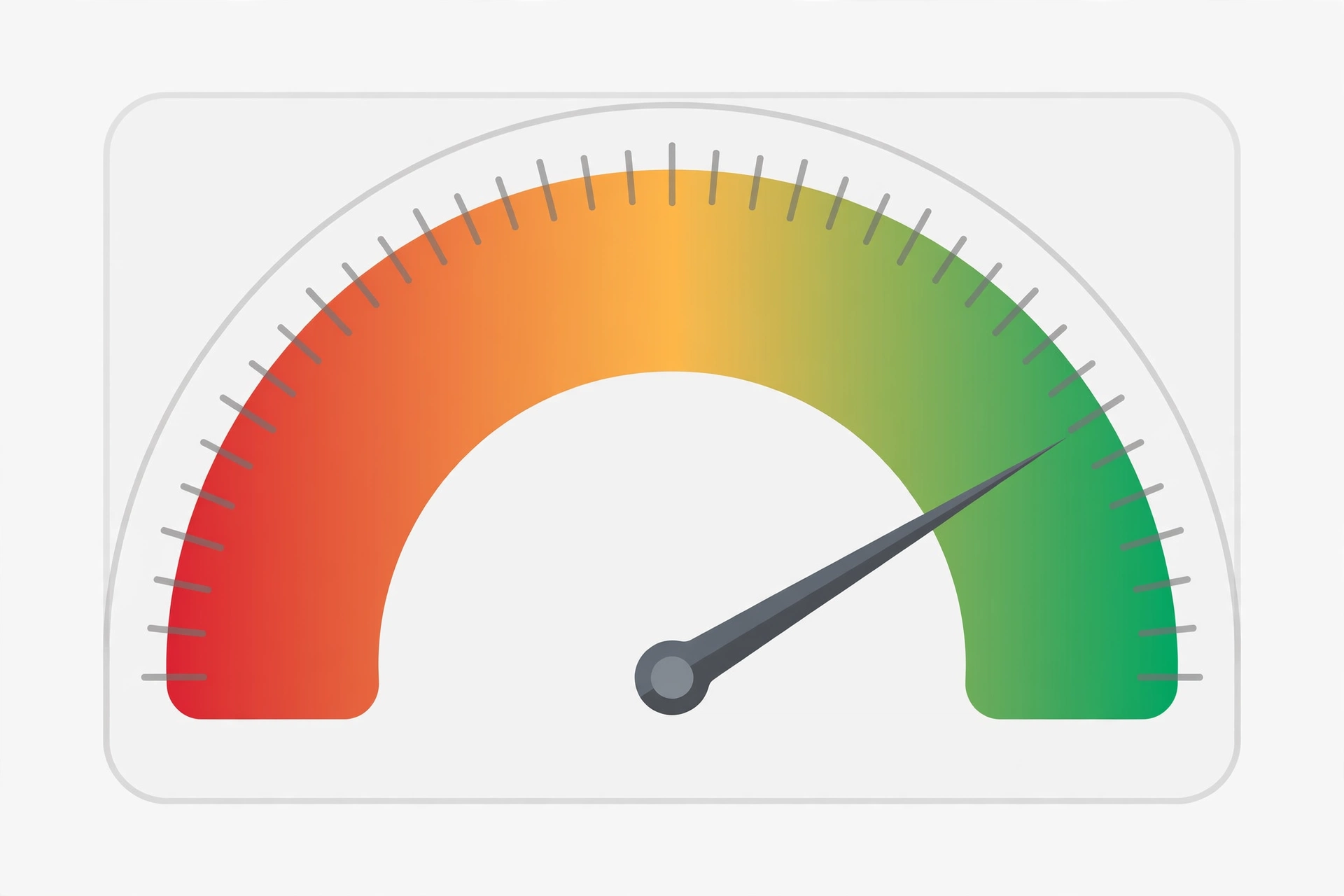
Your credit score is the first number most lenders check. It summarizes your history of borrowing and repaying — payment history, how much of your available credit you use, how long your accounts have been open, and the mix of credit types.
- 580–669 (fair): Some online lenders and credit unions will work with you, but expect higher APRs and possibly origination fees.
- 670–739 (good): Most lenders will approve you; this is where competitive rates start. Our guide to getting a personal loan with a 600 credit score walks through realistic options in this range.
- 740+ (very good to excellent): The best rates and terms live here.
Before applying, pull your free credit reports at AnnualCreditReport.com and dispute any errors — a single wrongly reported late payment can cost you a full rate tier.
2. Debt-to-Income (DTI) Ratio
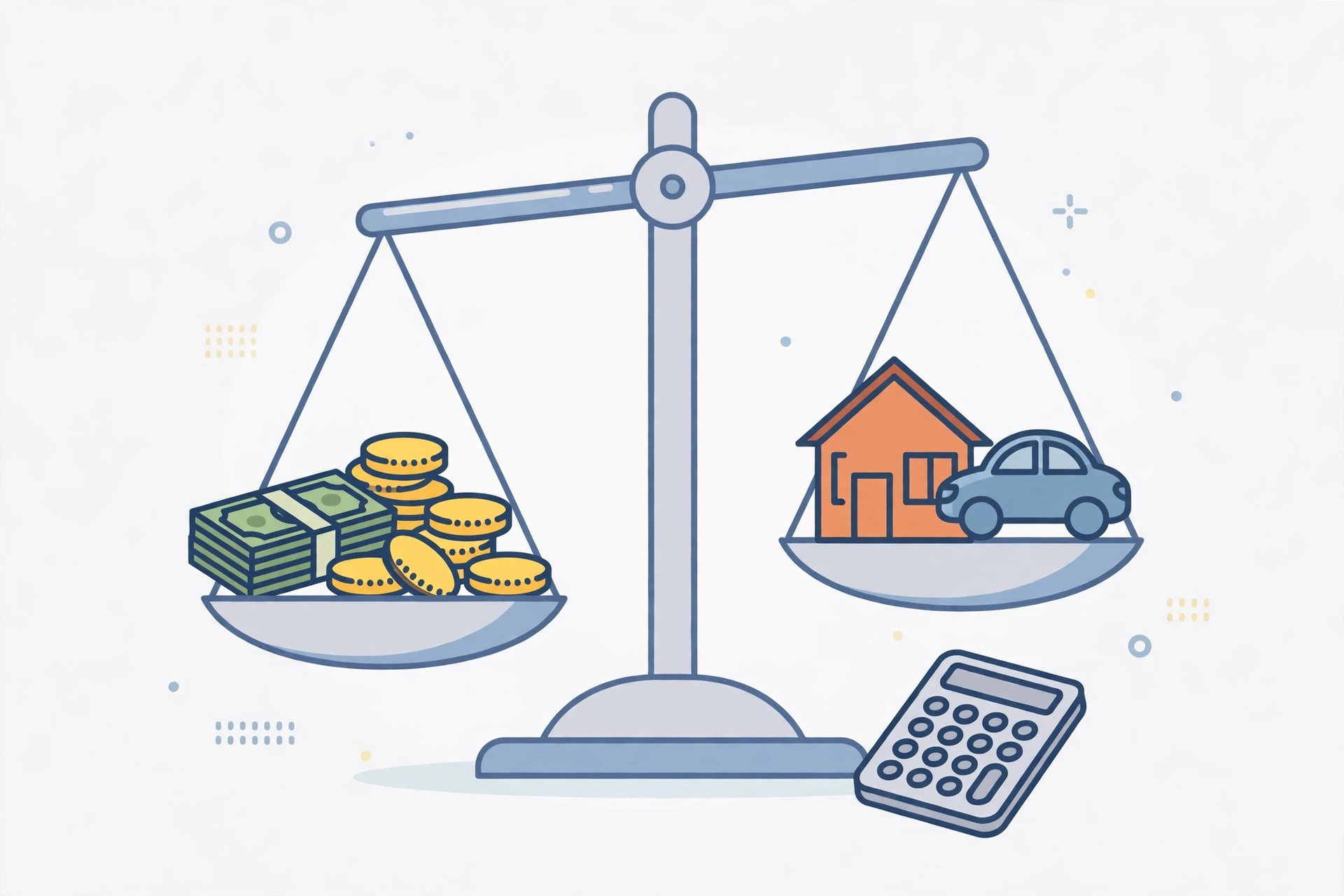
Your DTI ratio tells the lender how much of your monthly income is already spoken for by debt. It’s calculated like this:
DTI = total monthly debt payments ÷ gross monthly income
Example: $1,200 rent + $350 car payment + $200 student loan + $100 credit card minimum = $1,850 in monthly debt. With a $5,500 gross monthly income, that’s $1,850 ÷ $5,500 = 33.6% — acceptable to most lenders.
Most lenders prefer a DTI below 36%; many draw a hard line around 43–50%. If yours is high, paying down a credit card balance before applying is one of the fastest ways to improve your odds.
3. Income and Employment
Lenders need proof you can actually make the monthly payments. That means stable, verifiable income — from a job, self-employment, or other regular sources like Social Security or disability benefits.
Most online lenders look for at least $20,000–$25,000 in annual income, though banks may set the bar higher. They’ll also glance at employment history: 6–12 months with the same employer (or in the same field) signals stability. Self-employed borrowers usually need to show a bit more paperwork — typically two years of tax returns plus a profit-and-loss statement.
4. Age, Residency, and Identity
The basics, but they’re non-negotiable:
- Age: 18 or older (a couple of states set the age of majority at 19).
- Residency: U.S. citizen, permanent resident, or valid visa holder depending on the lender.
- Identity: A valid Social Security number, or an ITIN where the lender accepts one.
5. Bank Account and Credit History
You’ll need an active U.S. bank account — that’s where the lender deposits your funds, usually within 1–7 business days of approval.
Beyond the score itself, underwriters scan your full credit history: length of accounts, any late payments or collections, recent hard inquiries (a burst of applications looks risky), and public records like bankruptcies. A Chapter 7 bankruptcy stays on your report for 10 years and seriously narrows your options, though some lenders specialize in post-bankruptcy borrowers.
Documents Checklist: What to Have Ready
Gather these before you start applications — it speeds everything up:
- Government-issued photo ID (driver’s license or passport)
- Social Security number (or ITIN)
- Proof of income: pay stubs from the last 30 days, W-2s or 1099s
- Tax returns (last 1–2 years, especially if self-employed)
- Bank statements (last 2–3 months)
- Proof of address: utility bill, lease, or bank statement
- Employer contact info and your bank account/routing numbers for funding
How to Improve Your Approval Odds
Not quite there yet? These moves genuinely help:
- Pay down revolving balances. Lower credit utilization lifts your score and your DTI at the same time.
- Don’t apply everywhere at once. Prequalify with soft checks first — they don’t hurt your score. Save the hard inquiry for the lender you actually choose.
- Consider a credit union. Federal credit unions cap personal loan APRs at 18%, and they often approve members with fair credit that big banks would decline.
- Ask about secured options. A loan backed by a savings account or CD is easier to qualify for and can build your history.
- Add a co-signer (carefully). A creditworthy co-signer can unlock approval and a better rate — but they’re equally on the hook if you miss payments.
How to Apply
- Check your credit reports and know your score.
- Decide exactly how much you need — every extra dollar costs interest.
- Prequalify with 3–5 lenders (banks, credit unions, online lenders) using soft checks.
- Compare APR, origination fees, term length, and monthly payment — not just the rate.
- Submit one full application, read the agreement carefully, and set up autopay (many lenders discount the rate for it).
Before you sign anything, run through our checklist of questions to ask before getting a loan — it covers the fees and fine print borrowers most often miss.
Frequently Asked Questions
What credit score do I need for a personal loan?
Most lenders want at least 580; you’ll get far better rates at 670 and above.
Can I get a personal loan with no income?
Lenders require verifiable income of some kind — a job, self-employment, benefits, or other regular deposits. “No-doc” personal loans are essentially extinct.
Does prequalifying hurt my credit score?
No. Prequalification uses a soft inquiry. Only the final application triggers a hard inquiry, which may dip your score a few points temporarily.
How fast can I get the money?
Many online lenders fund within 1–2 business days; banks and credit unions can take up to a week.
The Bottom Line
Personal loan requirements boil down to six things: a decent credit score, a DTI under 36%, steady income, legal age and residency, a bank account, and the documents to prove it all. Check the boxes before you apply, prequalify with soft checks, and compare at least three offers. A little preparation is the difference between an approval at a fair rate and a rejection that costs you a hard inquiry for nothing.