The number that changes everything
Imagine you owe $1,000 on a credit card and you only pay the minimum each month. At a 20% interest rate, that small balance can cost you hundreds of dollars in interest and take years to clear — even if you never spend another dollar on that card. That is not a rare case in 2026. Average credit card interest rates are now over 20%, nearly double what they were a decade ago, and delinquency rates have climbed toward their highest level since 2011. This article explains, in plain language, what a 20%+ rate really costs, why rates got this high, and the practical steps people use to pay less interest. This is general information only, not personal financial advice.
Why are credit card rates over 20% now?
Three forces pushed rates up:
- Higher borrowing costs overall — when central bank rates rise, banks pass higher costs to cardholders.
- Risk pricing — banks charge more when more borrowers miss payments.
- Revolving debt — unlike a fixed loan, a card balance that rolls over month to month keeps charging interest on the remaining balance, so the cost compounds.
More than 40% of adults now carry credit card debt from month to month, according to recent analyses reported in 2026.
What 20%+ actually costs: a simple example
Take a $2,000 balance at 24% APR, with no new spending: interest in one year, if nothing is paid, is roughly $480, before fees. If you pay only a small minimum, most of the payment goes to interest first, and the balance falls slowly. Paying $100 a month instead of a $50 minimum clears the same balance far faster and with far less total interest. The exact numbers depend on your card’s APR, minimum payment formula and fees — check your statement for your real APR, not the advertised range.
5 ways people pay less credit card interest
- Pay more than the minimum, even a little more — an extra $25 or $50 a month goes mostly to the principal once interest for the month is covered.
- Use the avalanche method — list cards by APR, highest first, pay minimums on all, then put every extra dollar on the highest-APR card until it is gone, then move to the next. This usually costs the least total interest.
- Use the snowball method if motivation matters more — pay the smallest balance first for a quick win, then roll that payment into the next card.
- Ask for a lower APR — call the number on the back of your card and ask whether a lower rate is available, especially with a history of on-time payments.
- Compare a lower-rate alternative before you switch — a personal loan usually charges a lower rate than a credit card, but it is still debt with its own terms and fees. Read the full terms before moving a balance. For how personal loans work, see: Personal Loan Requirements: What You Need to Qualify in 2026.
What about the proposed 10% credit card rate cap?
In 2026, a proposal to cap credit card rates at 10% has been discussed publicly by politicians from both parties, and surveys have shown broad public support for a temporary cap. Banks have argued a cap would reduce access to credit for higher-risk borrowers.
Important: a proposal is not a law. Until a cap actually passes and takes effect, your card’s current APR is the rate you pay. Do not plan your payoff around a cap that may never arrive.
The trap to avoid: minimum payments + new spending
The most expensive pattern is paying the minimum while still using the same card for everyday spending. New purchases add to the balance, interest keeps building, and the payoff date keeps moving away. If you are trying to clear a card, pausing new charges on that card until the balance is gone is often the single most effective step.
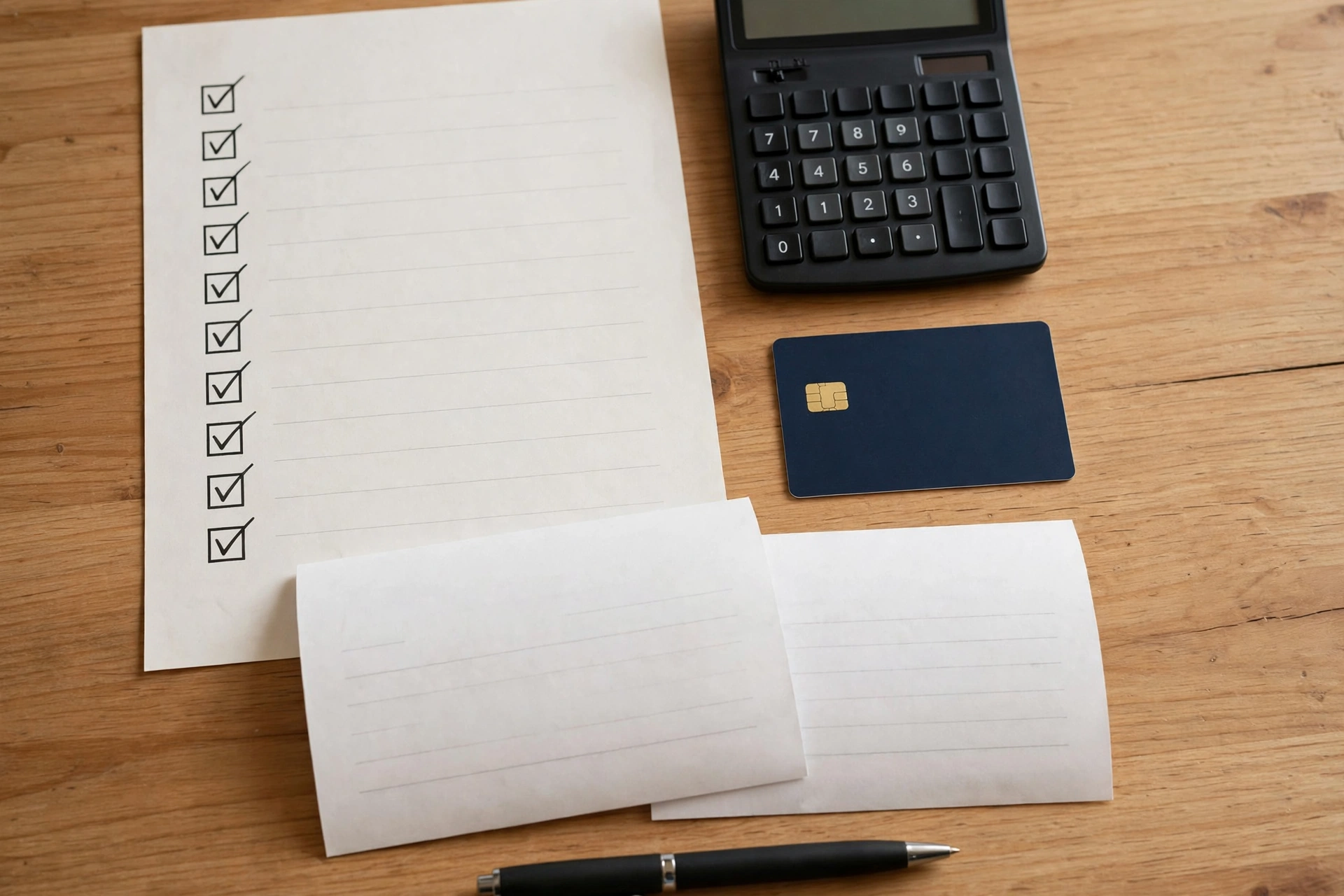
Checklist — your next 10 minutes
- Find your card’s APR on your latest statement.
- Write down the balance, APR and minimum payment for each card.
- Pick avalanche or snowball and stick to it.
- Set up an automatic payment for at least the minimum, so you never miss a due date. If you use direct deposit, make sure it is set up correctly: How to Void a Check.
FAQs
Are credit card rates really over 20% in 2026?
Yes, on average — rates vary by card and credit history, but the average reported in 2026 is over 20%, and many cards charge 24% or more.
Is a 10% rate cap in effect now?
No — a cap has been proposed and debated, but it is not in effect as a general law.
Should I pay off the highest-rate card or the smallest balance first?
Highest rate first (avalanche) usually saves the most interest; smallest balance first (snowball) can help motivation. Either plan beats paying only minimums with no plan.
Will closing a card help me pay it off faster?
Closing a card does not erase the balance or the interest, and it can affect credit utilization. Focus on the payoff plan first.
Bottom line
A credit card rate over 20% is not just a number on a statement — it is the reason a $1,000 or $2,000 balance can stay with you for years. The fix is not complicated, but it is disciplined: know your real APR, pay more than the minimum, pick one payoff order, and stop adding new charges to the card you are clearing.
Related reading: How Much Car Insurance Do I Need? Coverage Guide 2026