Chancellor John Healey delivered his first Budget on Wednesday 28 October 2026, speaking in Parliament at about 12:30pm UK time, straight after Prime Minister’s Questions. It is one of the most closely watched Budgets in years, because households are still feeling the squeeze on food, energy and fuel — and because the Chancellor has very little room to give things away.
Updated after Chancellor John Healey’s Budget speech on Wednesday 28 October 2026. The measures below are the confirmed announcements; where a pre-speech report is still unconfirmed, this article says so plainly.
Why this Budget is so tight
Healey takes over at a difficult moment. Borrowing costs are high, inflation has been running at a year high of around 3.5 percent, fuel prices are at record levels, and annual debt interest is set to top £100 billion. Reports suggest the government’s fiscal headroom — the buffer before it breaks its own borrowing rules — has dropped by at least £10 billion since the spring.
In plain terms: the Chancellor cannot fund big giveaways without raising money somewhere else, and markets are watching every number. That is why the Budget was a set of smaller, targeted “everyday fixes” rather than one headline tax cut.
What has already been announced
These measures were announced before Budget day, so they are the firmest part of the package:
- Import tariffs scrapped on more than 100 products, including baked beans, chocolate, gherkins and marmalade. The Treasury says that, combined with earlier cuts, this could save households up to £21 a year. It will not transform a weekly shop, but it is aimed at keeping a lid on food price rises.
- Parental pay extended to more than 150,000 extra parents a year, including self-employed dads and partners.
- The Carers’ Allowance cliff edge replaced with a taper system, so unpaid carers are no longer penalised sharply for going just over an earnings limit.
- A higher tax-free mileage allowance of 55p made permanent for people who drive for work.
- More than £1 billion for social and affordable housing, £432 million more for the rough sleeping programme, and £285 million for mayors and regional leaders in England to invest locally.
- More than £600 million for projects on the development and safe use of AI.

Food costs: what was confirmed
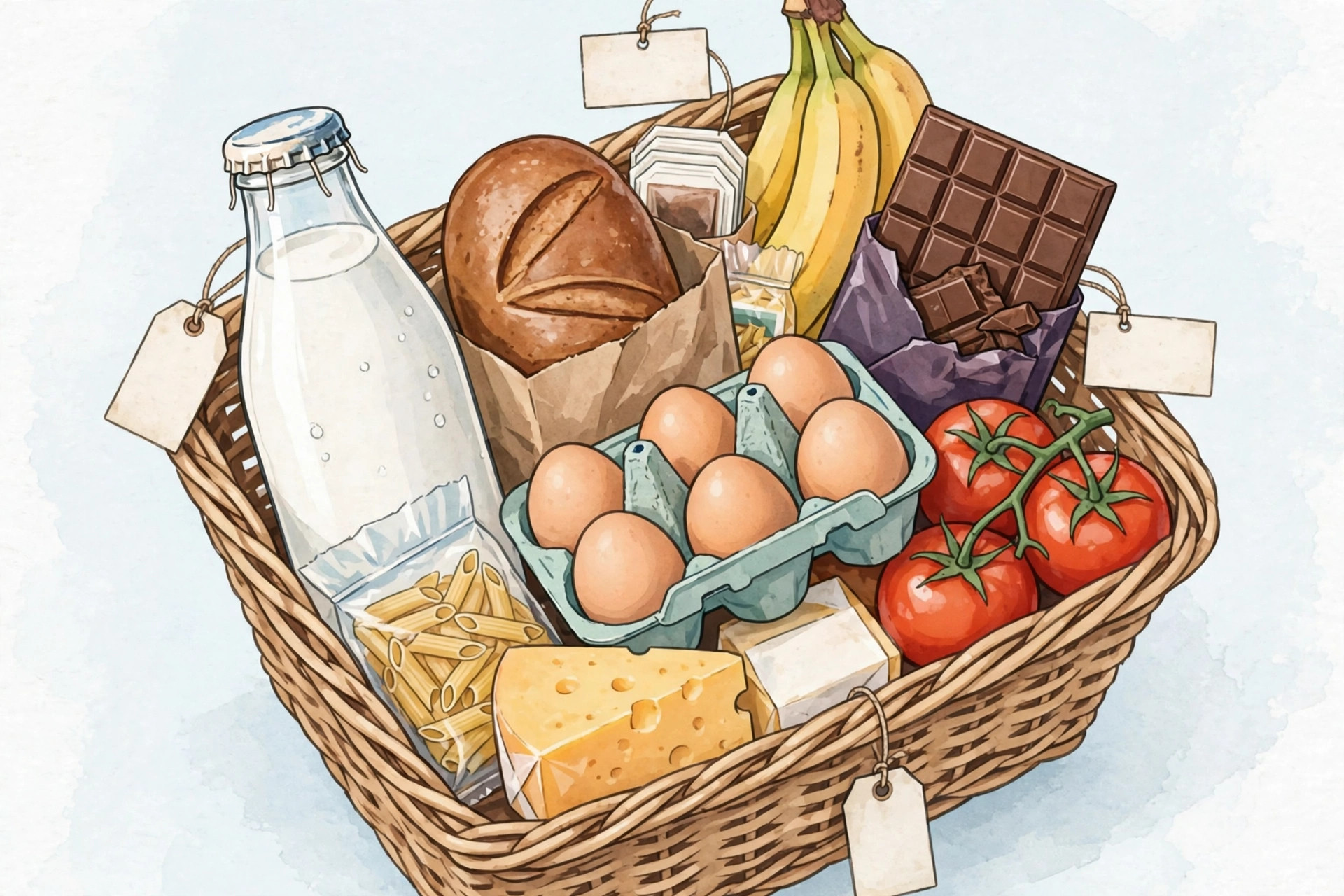
Food is at the centre of this Budget, because it is the bill every household sees every week. Alongside the tariff cuts already announced, the Chancellor framed the Budget around cutting food costs — but the £21-a-year saving figure shows the limits of what tariff cuts alone can do.
The honest takeaway for shoppers: do not expect a sudden drop in supermarket prices tomorrow. Tariff cuts take time to feed through, and they are small compared with the overall food bill. If you are budgeting tightly, the measures that matter more in the short term are the ones that put cash in pockets — wages, energy help and benefits — rather than a few pence off chocolate and beans.
Minimum wage: the confirmed rise
Confirmed: the National Living Wage rises 3.9% from 1 April 2027 to £13.21 an hour for workers aged 21 and over, up from £12.71. (Some coverage reported the figure as £13.20.) The rate for 18 to 20-year-olds rises to £11.27 an hour. About 2.3 million of the lowest-paid workers benefit, and a full-time worker on the rate is about £910 a year better off.
The row is about younger workers. In the past, the rate for 18 to 20-year-olds rose faster, to catch up with the adult rate. This time it rises only in line with the adult rate. Critics, including unions, say that breaks a Labour manifesto pledge. The government side of the argument is that high hiring costs are pricing young people out of jobs — and the numbers give that argument weight: 981,000 young people aged 16 to 24 were not in education, employment or training in April to June 2026, about 13 percent of the age group.
For workers, the practical point is simple: check your April 2027 payslip against the new £13.21 rate.

Energy bills, your pint, and driving
Energy is the other bill voters say matters most. The confirmed package: a £100 Household Energy Payment this winter to about 20 million households in council-tax bands A–D, paid directly into bank accounts. Gas standing charges are scrapped from 2027 — or as soon as possible after — and the electricity VAT cut is extended to July.
For drivers, the 5p fuel-duty cut is extended to July 2027, with fuel duty staying at 52.95p per litre. With pump prices soaring, that matters more to a weekly budget than many headline measures.
For pub-goers, the pint duty rise is confirmed: the GOV.UK Budget document confirms alcohol duty rising with RPI (3.9%), taking duty on a pint from 50p to 52p — duty +2p — from 1 February 2027. That is the duty figure only: whether your pint costs more depends on the pub, which may absorb the extra 2p or pass it on.
Your First Home
From next spring, a new “Your First Home” scheme helps buyers onto the ladder: a 2.5% deposit on a new-build, topped up with a 20% government equity loan. A new First Time Buyer ISA replaces the Lifetime ISA for savers building a deposit.
The economy: the OBR forecasts
The Office for Budget Responsibility’s confirmed numbers: growth of 1.2% this year, 1.0% next year and 1.6% in 2028. Borrowing is forecast at 4.2% of GDP this year, falling to 1.8% by 2030/31. Fiscal headroom is £15bn in 2029/30, rising to £22bn in 2030/31.
How will it be paid for?
The confirmed revenue raisers: the surcharge on bank profits is doubled from 3% to 6% for 15 months from January; gambling-machine duty rises from 20% to 25%; online marketplaces are made responsible for collecting VAT on sales; and income-tax thresholds are frozen to 2031. The £20,000 cash ISA allowance is kept, and the state pension rises 3.9% to £13,036 from next April.
What it means for your household budget
The Budget matters in four places:
- Your weekly shop: tariff cuts on 100+ supermarket products help a little, but slowly. Do not budget for a cheaper shop tomorrow.
- Your pay: the minimum wage rise is confirmed — £13.21 an hour for over-21s from 1 April 2027. Check your April payslip; a full-time worker is about £910 a year better off.
- Your energy and driving costs: £100 into your bank account this winter if you are in council-tax bands A–D, gas standing charges scrapped from 2027, and the 5p fuel-duty cut extended to July 2027.
- Your safety net: carers, parents and people on benefits are the groups with the most already-announced help, and the state pension rises 3.9% to £13,036 from next April.
If money is tight, focus on what is confirmed: the £100 this winter, the pay and pension rises from April 2027, and the fuel-duty cut to July 2027.
If borrowing is part of your plan, read our guide on personal loan requirements first, so you know what lenders actually check before you apply: https://notomy.com/2026/10/22/personal-loan-requirements-what-you-need-to-qualify-2026/
And if rising costs are pushing up your car expenses too, our car insurance guide explains how much cover you really need — and where people overpay: https://notomy.com/2026/10/19/how-much-car-insurance-do-i-need-coverage-guide-2026/
The bottom line
The confirmed Budget: a £13.21 minimum wage from April 2027, a £100 energy payment this winter, duty +2p on a pint, a 5p fuel-duty cut to July 2027, and a “Your First Home” scheme from next spring — paid for by higher taxes on banks, gambling machines and online marketplaces, with income-tax thresholds frozen to 2031.
Frequently asked questions
When is the UK Budget 2026?
Wednesday 28 October 2026, with Chancellor John Healey speaking at about 12:30pm UK time, after Prime Minister’s Questions.
What is the new minimum wage?
Confirmed: the National Living Wage rises 3.9% from 1 April 2027 to £13.21 an hour for workers aged 21 and over (some coverage reported it as £13.20), and to £11.27 for 18 to 20-year-olds.
Will food prices fall after the Budget?
Tariffs have been scrapped on more than 100 grocery items, with estimated savings of up to £21 a year per household. That is a small, slow effect — not an overnight price drop.
What is happening to alcohol duty on a pint?
The GOV.UK Budget document confirms alcohol duty rising with RPI (3.9%): duty on a pint goes from 50p to 52p — duty +2p — from 1 February 2027. That is the duty figure only: whether your pint costs more depends on the pub, which may absorb it or pass it on.
When do the changes start?
The £100 Household Energy Payment lands this winter; the minimum wage rise and the state pension increase take effect from April 2027; gas standing charges are scrapped from 2027; the 5p fuel-duty cut runs to July 2027; and “Your First Home” launches next spring.