
🐾 Pet Insurance: Why Every Pet Owner Should Consid
🐶 What Is Pet Insurance?
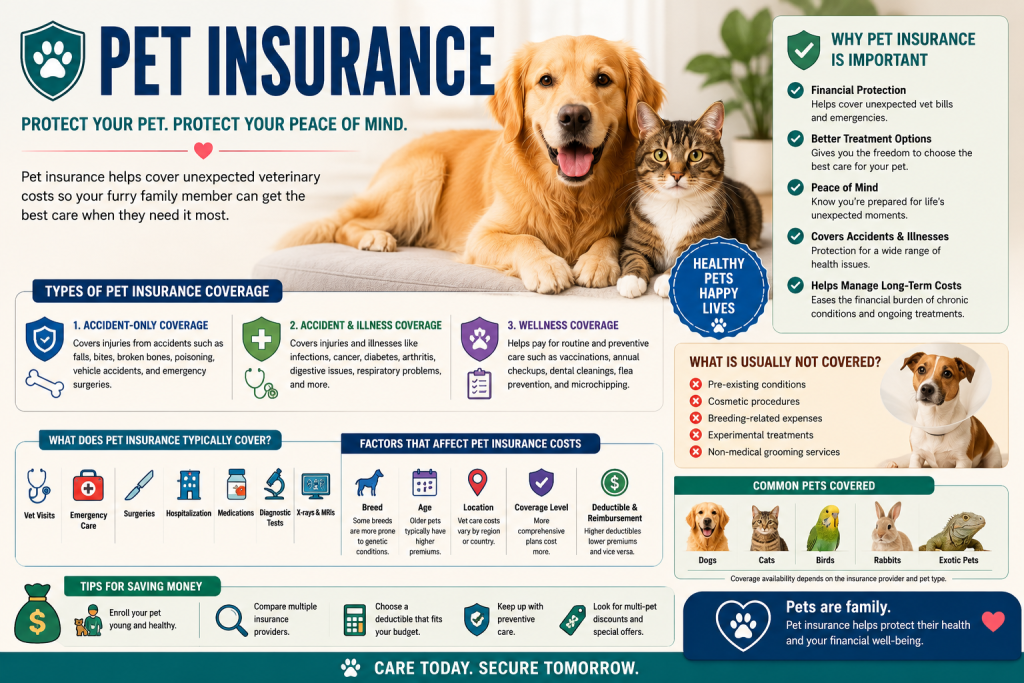
Pet insurance is a specialized financial protection plan designed to help pet owners manage the rising costs of veterinary care. Similar to human health insurance, pet insurance reimburses a portion of eligible medical expenses after treatment is provided by a licensed veterinarian.
As veterinary medicine continues to advance throughout the United States and Europe, treatments such as surgeries, cancer therapies, MRI scans, rehabilitation, and specialist consultations have become more effective—but also more expensive. Pet insurance allows families to access high-quality care without facing overwhelming financial burdens.
Whether you own a playful puppy, an aging dog, an indoor cat, or an exotic pet, having pet insurance can provide long-term financial security while ensuring your beloved companion receives proper medical attention whenever necessary.
Table of Contents
❤️ Why Is Pet Insurance Important?
Many pet owners underestimate the potential cost of veterinary emergencies until they experience one firsthand. A single accident or serious illness can result in thousands of dollars in medical bills.
Pet insurance serves as a financial safety net, helping owners make healthcare decisions based on what is best for their pet rather than what they can afford at that moment.
✅ Financial Protection Against Unexpected Veterinary Costs:
Veterinary emergencies often occur without warning. Accidents, broken bones, poisoning incidents, and severe illnesses can require immediate treatment that may cost hundreds or even thousands of dollars. Pet insurance helps reduce the financial burden by reimbursing a significant portion of covered expenses. This protection allows pet owners to focus on their pet’s recovery instead of worrying about large medical bills. For many families, pet insurance prevents the difficult decision of delaying or declining treatment due to cost concerns.
✅ Access to Better Medical Treatment Options:
Advanced veterinary care is becoming increasingly available throughout North America and Europe. Treatments such as CT scans, MRI imaging, chemotherapy, orthopedic surgery, and specialist consultations can significantly improve a pet’s quality of life. However, these treatments often come with substantial costs. Pet insurance enables owners to consider the most effective treatment options rather than limiting choices based solely on affordability. This can lead to earlier diagnoses, better outcomes, and longer, healthier lives for pets.
✅ Peace of Mind for Pet Owners:
One of the greatest benefits of pet insurance is emotional reassurance. Knowing that a policy is in place allows pet owners to feel more confident about handling unexpected health issues. Emergencies can be stressful enough without the added pressure of financial uncertainty. Insurance helps remove much of that concern and provides confidence that support is available when needed most.
✅ Coverage for Accidents and Illnesses:
Most comprehensive pet insurance plans cover both accidental injuries and illnesses. This broad coverage ensures protection against a wide range of situations, from fractures and cuts to infections, chronic diseases, and cancer treatments. Having comprehensive protection means owners can prepare for both common and serious health conditions throughout their pet’s lifetime.
✅ Helps Manage Long-Term Healthcare Expenses:
Some pets develop chronic conditions such as diabetes, arthritis, allergies, or heart disease. Managing these conditions may require ongoing medications, regular checkups, and specialized care. Pet insurance can help reduce the financial strain associated with long-term treatment plans, making it easier to maintain consistent care over many years.
🏥 Types of Pet Insurance Coverage
Understanding the different types of pet insurance coverage is essential when selecting the right policy.
🐕 1. Accident-Only Coverage
🔹 Broken Bones:
Active pets frequently experience injuries while running, jumping, or playing. Treatment for fractures often involves X-rays, surgery, casting, and follow-up visits. Accident-only coverage helps offset these unexpected medical expenses and ensures pets receive prompt care.
🔹 Bite Wounds:
Dog fights or wildlife encounters can result in serious injuries requiring emergency treatment. Bite wounds often need cleaning, suturing, antibiotics, and monitoring for infection. Insurance coverage can significantly reduce the cost of these treatments.
🔹 Poisoning:
Accidental ingestion of toxic foods, medications, chemicals, or household products is a common emergency. Immediate veterinary intervention is critical. Accident coverage can help cover diagnostic tests, hospitalization, and treatment expenses.
🔹 Vehicle Accidents:
Pets involved in vehicle accidents often require intensive emergency care. Treatments may include surgery, imaging, medications, and rehabilitation. Insurance can provide substantial financial assistance during these critical situations.
🔹 Emergency Surgeries:
Unexpected injuries sometimes require immediate surgical intervention. Emergency surgeries are among the most expensive veterinary procedures. Insurance helps ensure that necessary surgical treatment is accessible when time is critical.
🐾 2. Accident and Illness Coverage
This is the most popular and comprehensive pet insurance option.
🔹 Infections:
Pets can develop bacterial, viral, fungal, and parasitic infections throughout their lives. Insurance can help cover diagnostic testing, medications, and follow-up care.
🔹 Cancer Treatments:
Cancer is one of the most expensive medical conditions to treat in pets. Coverage may include surgery, chemotherapy, radiation therapy, and specialist consultations. Early treatment often improves outcomes significantly.
🔹 Diabetes:
Diabetic pets require lifelong management that may include insulin therapy, blood testing, and regular monitoring. Insurance can reduce the long-term cost of managing this chronic condition.
🔹 Arthritis:
Arthritis becomes increasingly common as pets age. Treatment often includes medications, rehabilitation therapy, joint supplements, and mobility support. Coverage can help maintain quality of life for senior pets.
🔹 Digestive Disorders:
Gastrointestinal problems can range from mild stomach upset to severe chronic diseases. Insurance may assist with diagnostic testing, medications, specialist referrals, and hospitalization if necessary.
🔹 Respiratory Illnesses:
Respiratory conditions may require imaging, medications, oxygen therapy, and ongoing management. Insurance coverage helps support comprehensive treatment plans.
🌟 3. Wellness Coverage
Wellness plans focus on preventive healthcare.
🔹 Vaccinations:
Vaccines protect pets against serious diseases and contribute to overall community health. Wellness plans may help cover routine vaccination schedules.
🔹 Annual Checkups:
Routine examinations allow veterinarians to detect health issues early. Preventive care often leads to better health outcomes and lower treatment costs over time.
🔹 Flea and Tick Prevention:
Parasite prevention protects pets from discomfort and potentially dangerous diseases. Wellness plans can help cover preventive medications.
🔹 Dental Cleanings:
Oral health plays a significant role in overall wellness. Professional dental cleanings help prevent gum disease, tooth loss, and systemic infections.
🔹 Microchipping:
Microchips increase the likelihood of reuniting lost pets with their owners. Many wellness plans include coverage for this important identification procedure.
💊 What Does Pet Insurance Typically Cover?
Most pet insurance policies may cover:
✔ Veterinary Consultations:
Regular and emergency consultations provide professional assessment and treatment recommendations. Insurance often helps cover these visits, reducing overall healthcare costs.
✔ Emergency Care:
Emergency treatment is one of the primary reasons many owners purchase pet insurance. Coverage may include diagnostics, medications, hospitalization, and urgent interventions.
✔ Surgeries:
Many policies cover medically necessary surgeries ranging from routine procedures to complex operations.
✔ Hospitalization:
Extended stays in veterinary hospitals can become expensive quickly. Insurance can help offset these costs.
✔ Prescription Medications:
Many illnesses require prescription drugs for treatment and long-term management.
✔ Diagnostic Tests:
Blood work, imaging studies, and specialized diagnostics help veterinarians identify underlying health problems accurately.
✔ Cancer Treatment:
Comprehensive plans often include advanced cancer therapies and supportive care.
✔ Specialist Care:
Referrals to veterinary specialists may improve treatment outcomes for complex medical conditions.
🚫 What Is Usually Not Covered?
Most pet insurance providers exclude pre-existing conditions, cosmetic procedures, breeding-related expenses, elective surgeries, and experimental treatments. Understanding exclusions before purchasing a policy helps prevent misunderstandings during the claims process.
💰 Factors That Affect Pet Insurance Costs
🐕 Pet Breed
Certain breeds are genetically predisposed to specific health conditions. Insurance providers assess these risks when determining premium rates.
🎂 Pet Age
Younger pets generally receive lower premiums because they are less likely to require extensive medical care.
📍 Location
Veterinary treatment costs vary significantly across regions in the United States and Europe, influencing insurance pricing.
📋 Coverage Level
Policies offering broader protection and higher reimbursement rates typically have higher monthly premiums.
💵 Deductible and Reimbursement Rate
Higher deductibles usually reduce monthly premiums, while lower deductibles often result in higher monthly costs.
🔍 How to Choose the Best Pet Insurance
- 🐾 Compare coverage options carefully.
- 🐾 Review reimbursement percentages.
- 🐾 Examine annual coverage limits.
- 🐾 Understand waiting periods.
- 🐾 Research customer reviews.
- 🐾 Compare claim processing times.
- 🐾 Evaluate long-term affordability.
- 🐾 Verify exclusions and limitations.
🐇 Common Pets Covered by Insurance
Many providers offer insurance for:
- 🐶 Dogs
- 🐱 Cats
- 🐦 Birds
- 🐰 Rabbits
- 🦎 Exotic Pets
Coverage options may vary depending on species, age, and provider guidelines.
💡 Tips for Saving Money on Pet Insurance
- Enroll pets while they are young.
- Compare multiple providers.
- Choose an appropriate deductible.
- Maintain preventive healthcare.
- Review policies annually.
📈 The Future of Pet Insurance
The global pet insurance industry continues to experience rapid growth as veterinary medicine advances and pet ownership increases. Emerging technologies, telemedicine, AI-assisted diagnostics, and personalized treatment plans are expected to shape the future of pet healthcare. Insurance providers are continually expanding coverage options to meet evolving consumer needs.
🏁 Conclusion
Pet insurance has become an essential financial tool for modern pet owners. It helps manage unexpected veterinary expenses, supports access to advanced medical treatments, and provides peace of mind during emergencies. Whether you own a dog, cat, bird, rabbit, or exotic pet, the right insurance policy can protect both your companion’s health and your family’s finances.
❓ Frequently Asked Questions (FAQs)
Q1. Is pet insurance worth it?
Yes. Pet insurance can significantly reduce unexpected veterinary expenses and provide access to advanced medical treatments.
Q2. What age should I insure my pet?
Most experts recommend enrolling pets while they are young and healthy to secure lower premiums and broader coverage.
Q3. Does pet insurance cover routine vaccinations?
Routine vaccinations are generally covered through wellness plans rather than standard accident and illness policies.
Q4. Can I use any veterinarian with pet insurance?
Many providers allow pet owners to visit any licensed veterinarian, though policy terms may vary.
Q5. Does pet insurance cover pre-existing conditions?
Most insurance providers exclude pre-existing medical conditions from coverage.
Q6. How much does pet insurance cost?
Costs vary depending on breed, age, location, coverage level, and deductible choices.
Q7. Can pet insurance cover cancer treatment?
Many comprehensive plans include coverage for cancer diagnosis, surgery, chemotherapy, and ongoing treatment.
Q8. Are exotic pets eligible for insurance?
Some providers offer specialized insurance plans for birds, reptiles, rabbits, and other exotic pets.