🏦 What is a Bank?
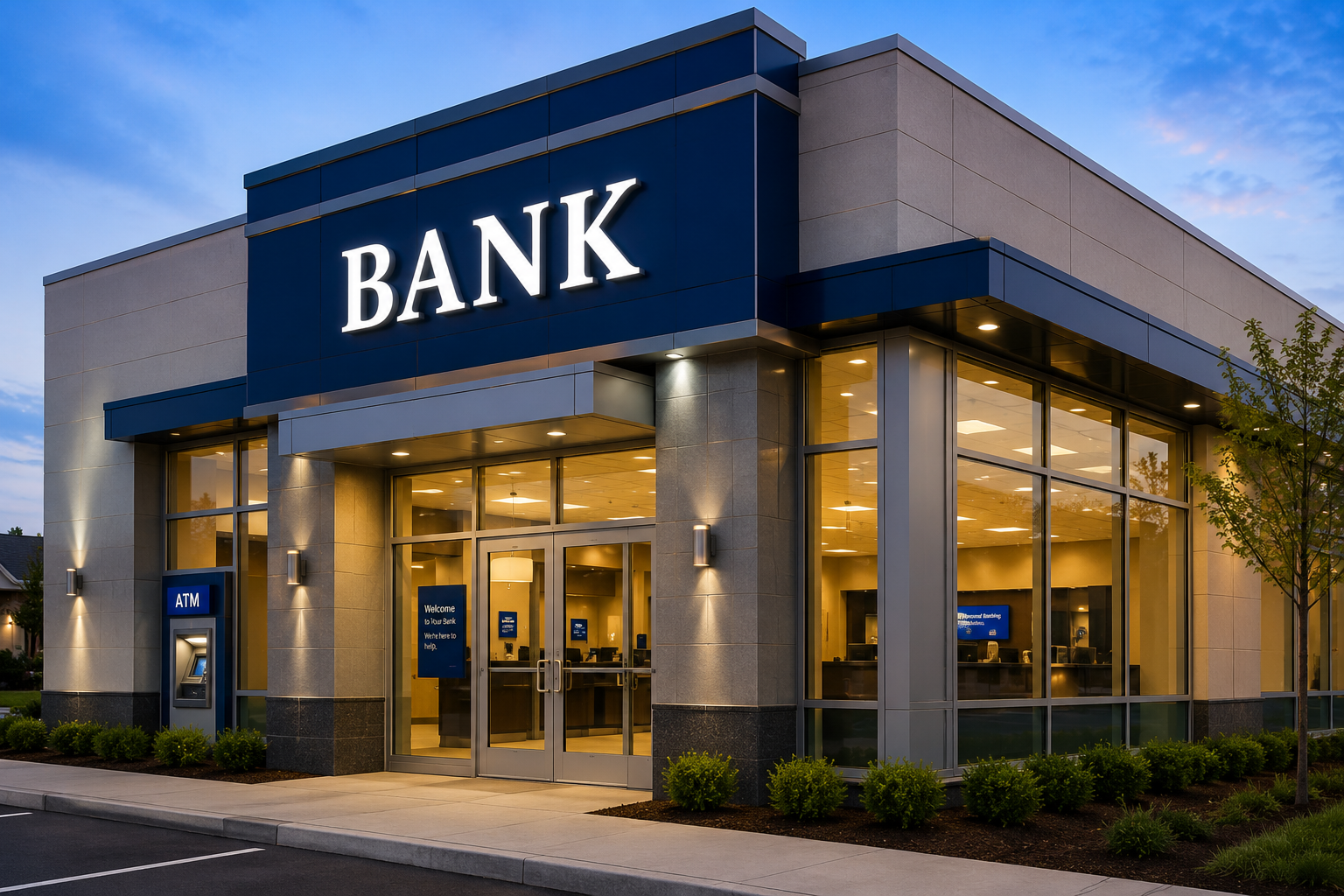
A bank is a licensed financial institution that plays a foundational role in the global economy by managing money flow between savers and borrowers. Banks collect deposits from individuals, businesses, and organizations, then use these funds to provide loans and financial services.
Banks ensure financial stability, liquidity, and economic growth by circulating money efficiently in society. Without banks, modern trade, business expansion, and personal financial planning would be extremely difficult.
Banks also act as trusted intermediaries, ensuring that money is stored securely while also being productively used in the economy.
Table of Contents
💰 Main Functions of a Bank
🏦 • Accepting Deposits:
Banks provide a secure platform where individuals and businesses can safely store their money in different account types such as savings accounts, current accounts, and fixed deposits.
📌 Detailed Explanation:
- Banks act as a safe financial vault for money protection.
- Customers earn interest on savings accounts, encouraging financial discipline.
- Fixed deposits help people grow wealth over time with guaranteed returns.
- Current accounts support business transactions with high liquidity.
- Deposit systems improve money circulation in the economy.
- Banks reduce the risk of theft and cash loss.
- Deposits form the backbone of a bank’s lending capacity.
- It increases trust between public and financial institutions.
💳 • Providing Loans:
Banks lend money to individuals, businesses, and governments for various financial needs such as homes, education, startups, and expansion projects.
📌 Detailed Explanation:
- Loans support personal financial goals like education and housing.
- Business loans help companies expand operations and hire employees.
- Banks charge interest, which becomes their primary revenue source.
- Loan systems improve economic growth and job creation.
- Credit systems help people build financial credibility.
- Banks evaluate risk before approving loans.
- Loans increase purchasing power in society.
- Helps in developing infrastructure and innovation.
💸 • Payment and Money Transfer Services:
Banks provide secure and fast payment systems using debit cards, credit cards, online banking, and mobile applications.
📌 Detailed Explanation:
- Enables instant local and international money transfers.
- Reduces dependency on physical cash.
- Digital payments improve transparency in transactions.
- Supports e-commerce and global trade systems.
- Mobile banking allows 24/7 financial access.
- Enhances security with encryption and authentication.
- Supports bill payments and automated transactions.
- Strengthens modern digital economy infrastructure.
🔐 • Safekeeping of Money:
Banks ensure that money is protected from theft, loss, or damage by storing it securely in regulated systems.
📌 Detailed Explanation:
- Provides physical and digital security for funds.
- Eliminates risks associated with cash storage at home.
- Banks use advanced cybersecurity systems.
- Protects customer identity and financial data.
- Ensures regulated financial operations by government bodies.
- Builds public confidence in financial systems.
- Insurance systems may protect deposits.
- Encourages people to move from cash to banking systems.
📈 • Investment and Wealth Management Services:
Banks also assist customers in growing their wealth through investment products and financial advisory services.
📌 Detailed Explanation:
- Offers mutual funds, bonds, and saving schemes.
- Helps diversify financial risk.
- Provides professional financial guidance.
- Supports long-term wealth creation strategies.
- Encourages retirement planning and pension schemes.
- Helps customers understand market opportunities.
- Promotes financial literacy and awareness.
- Strengthens overall economic investment flow.
🏛️ Types of Banks
Banks are categorized based on their functions and services in the financial system.
🏦 Commercial Banks
Commercial banks serve individuals and businesses by offering savings accounts, loans, credit cards, and payment services. They are the most common type of bank in modern economies and act as the backbone of everyday financial transactions.
🏦 Central Banks
Central banks regulate the entire banking system and control monetary policy, inflation, and currency supply.
📌 Key Role:
- Control interest rates
- Manage national currency
- Ensure financial stability
- Act as lender of last resort
- Regulate commercial banks
They play a critical role in maintaining economic balance.
🏦 Investment Banks
Investment banks focus on large financial operations such as mergers, acquisitions, and raising capital for corporations.
📌 Key Role:
- Help companies issue stocks and bonds
- Manage large-scale investments
- Support corporate financial restructuring
- Provide advisory services
🕌 Islamic Banks
Islamic banks operate under Sharia principles, avoiding interest-based systems and focusing on profit-sharing models.
📌 Key Role:
- No interest (Riba-free banking)
- Ethical investment systems
- Profit and loss sharing models
- Sharia-compliant financing
🏦 Retail Banks
Retail banks serve individual customers with everyday financial services such as savings accounts, personal loans, and credit cards.
📌 Key Role:
- Personal banking services
- Consumer loans
- Credit facilities
- Daily financial transactions
🌍 Importance of Banks in Society
Banks are essential pillars of modern economies. They ensure financial stability, encourage savings, and support business development.
📌 Key Contributions:
- Promote savings culture in society
- Support business growth and entrepreneurship
- Enable international trade and commerce
- Provide financial security to individuals
- Help governments manage financial systems
- Improve economic development and employment
Banks act as the engine of economic growth, ensuring smooth money circulation in all sectors.
📱 Digital Banking Revolution
The banking system has evolved rapidly due to technology. Digital banking has transformed how people interact with money.
📌 Key Features:
- Online banking platforms
- Mobile banking applications
- Instant digital payments
- AI-powered financial services
- Contactless payment systems
📌 Detailed Explanation:
Digital banking allows users to manage finances without visiting physical branches. Customers can transfer money, pay bills, and track expenses instantly.
It improves speed, convenience, and accessibility while reducing operational costs for banks. Cybersecurity systems protect users from fraud and unauthorized access.
Digital banking is now a core part of the modern global financial ecosystem, especially in USA and Europe.

📌 Conclusion
Banks are the foundation of the global financial system. They manage money flow, support economic growth, and provide essential services to individuals, businesses, and governments.
From traditional banking systems to modern digital banking, financial institutions continue to evolve and shape the global economy. Without banks, modern trade, investment, and financial stability would not be possible.
❓ FAQs (SEO Optimized)
1. What is the main purpose of a bank?
The main purpose of a bank is to collect deposits, provide loans, and support financial transactions in the economy.
2. What are the 3 main types of banks?
The three main types are commercial banks, central banks, and investment banks.
3. Why are banks important in the economy?
Banks support economic growth by providing loans, encouraging savings, and enabling trade and investment.
4. What is digital banking?
Digital banking refers to online and mobile banking services that allow users to manage finances electronically.
5. How do banks make money?
Banks earn money mainly through interest on loans, service fees, and investment services.