🚗 Car Insurance: A Complete Guide to Protecting Your Vehicle
📖 Introduction
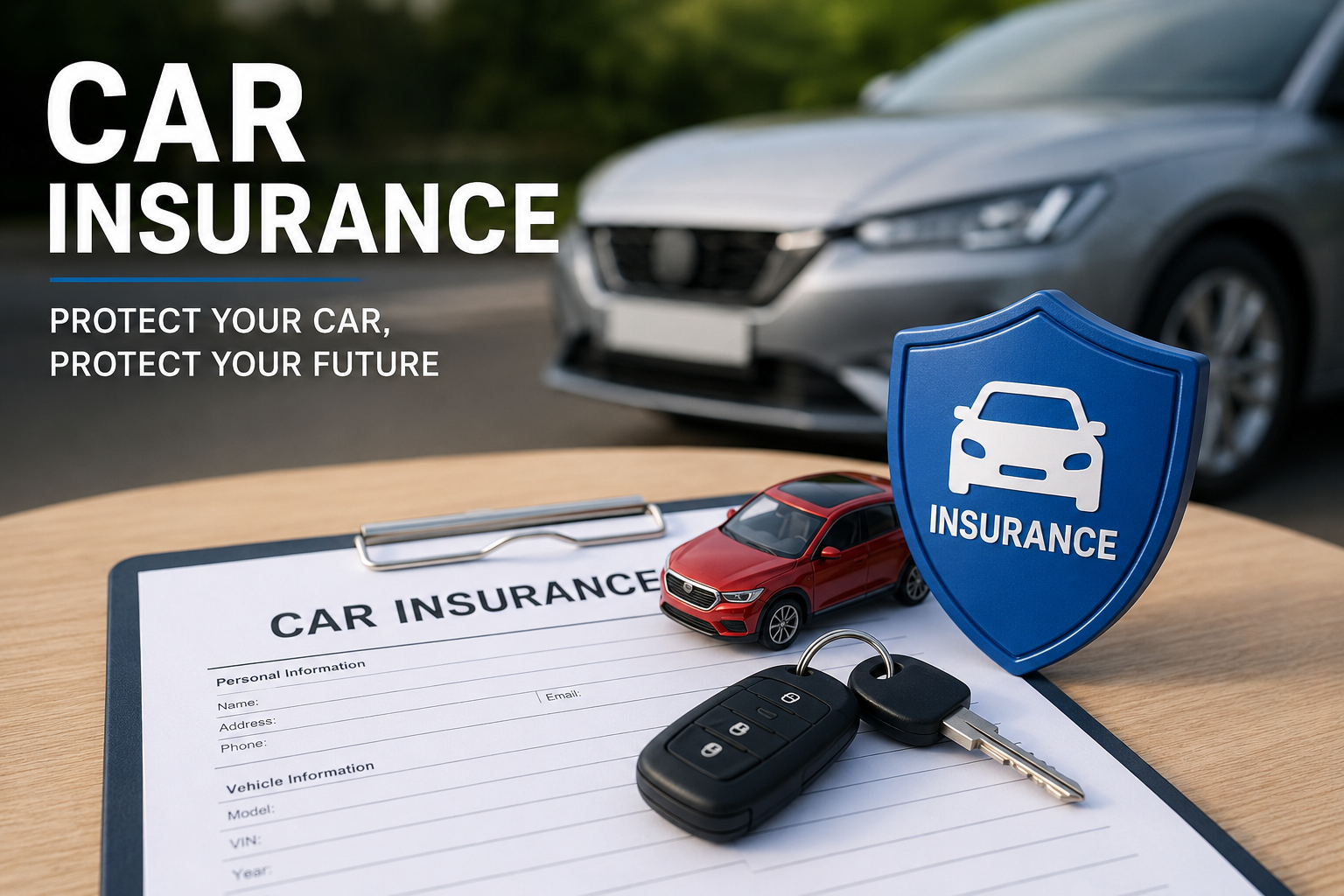
Car insurance is one of the most important financial products for vehicle owners across the United States and Europe. Whether you drive daily for work, use your vehicle for family transportation, or enjoy road trips during vacations, having the right car insurance policy can protect you from significant financial losses.
Modern car insurance does much more than simply cover accidents. Today’s insurance policies can help pay for vehicle repairs, medical expenses, legal liabilities, theft-related losses, natural disaster damage, roadside emergencies, and many other unexpected situations. As vehicle technology advances and repair costs continue to rise, insurance protection has become an essential part of responsible vehicle ownership.
Understanding the various types of car insurance coverage, policy features, premium calculations, and claim procedures can help drivers make informed decisions. This guide explains everything you need to know about car insurance, allowing you to select coverage that fits your budget while providing maximum protection.
Table of Contents
🚘 What Is Car Insurance?
Car insurance is a legal and financial agreement between a vehicle owner and an insurance provider. In exchange for a regular premium payment, the insurance company agrees to cover specific financial losses according to the terms and conditions outlined in the insurance policy.
Vehicle owners purchase insurance because accidents, theft, weather-related incidents, and unexpected emergencies can create substantial financial burdens. Without adequate insurance protection, drivers may have to pay thousands of dollars out of pocket for repairs, medical treatment, or legal settlements.
🔹 Vehicle Repair Protection:
Car insurance helps cover repair expenses when your vehicle is damaged in a covered event. Repair costs have increased significantly due to advanced vehicle technology, safety systems, sensors, cameras, and computerized components. Insurance coverage helps reduce the financial impact of repairing or replacing these expensive parts. In many cases, policyholders can access approved repair networks, ensuring high-quality service and faster claim processing. This protection is especially valuable for newer vehicles that require specialized repairs and manufacturer-approved components.
🔹 Medical Expense Coverage:
Medical costs following an accident can become extremely expensive. Insurance policies may help pay for hospital treatment, emergency room visits, surgeries, rehabilitation programs, prescription medications, and follow-up care. Depending on the policy, coverage may apply to drivers, passengers, and sometimes pedestrians involved in an accident. Medical protection ensures that individuals receive necessary healthcare without facing overwhelming financial stress during recovery.
🔹 Liability Protection:
Liability coverage protects policyholders when they are legally responsible for injuries or property damage caused to others. This coverage can pay for medical bills, vehicle repairs, legal defense costs, court settlements, and compensation awarded through lawsuits. Without liability insurance, drivers could face severe financial consequences that may affect their savings, income, and personal assets.
🔹 Theft and Disaster Protection:
Many insurance policies protect against theft, vandalism, fire, floods, hailstorms, hurricanes, earthquakes, and other non-collision events. These incidents can occur unexpectedly and result in significant financial losses. Comprehensive insurance coverage helps vehicle owners recover financially and replace or repair damaged property without bearing the entire burden themselves.
🛡️ Types of Car Insurance Coverage
🚦 1. Liability Coverage
Liability insurance is the foundation of most auto insurance policies and is legally required in many jurisdictions throughout the United States and Europe.
✅ Covers Third-Party Property Damage:
When a driver causes an accident, liability coverage pays for damage to another person’s vehicle, home, fence, building, or other property. Repair and replacement costs can quickly become expensive, especially when luxury vehicles or commercial property are involved. Liability coverage ensures that affected parties receive compensation while protecting the policyholder from significant financial responsibility.
✅ Pays Medical Expenses for Injured Parties:
Accidents can result in injuries ranging from minor cuts and bruises to severe long-term medical conditions. Liability insurance helps cover emergency treatment, hospitalization, surgeries, physical therapy, rehabilitation services, and other medical expenses incurred by injured individuals. This protection is crucial because medical costs can easily exceed tens of thousands of dollars.
✅ Helps Protect Against Legal Claims:
Following a serious accident, injured parties may file lawsuits seeking compensation for damages, lost income, and pain and suffering. Liability insurance often includes legal defense coverage, attorney fees, court costs, and settlement payments. This protection can help drivers avoid devastating financial consequences associated with litigation.
✅ Ensures Compliance with Legal Requirements:
Most states and European countries require drivers to maintain minimum liability coverage. Carrying appropriate insurance helps drivers remain compliant with local regulations, avoid penalties, prevent license suspensions, and maintain legal driving privileges.
🚗 2. Collision Coverage
Collision coverage specifically protects your own vehicle when it is damaged during an accident.
✅ Covers Repair Costs:
Collision insurance helps pay for repairs after accidents involving another vehicle, a tree, a utility pole, a guardrail, or similar objects. Repair expenses can be substantial, particularly for modern vehicles equipped with advanced safety technologies and electronics.
✅ Helps Replace Damaged Vehicle Parts:
Many collisions result in damaged body panels, bumpers, suspension components, headlights, sensors, and safety systems. Collision coverage helps restore the vehicle to its pre-accident condition using approved repair procedures and replacement parts.
✅ Protects Against Expensive Repair Bills:
Even minor accidents can generate repair invoices worth thousands of dollars. Collision coverage helps reduce out-of-pocket expenses and prevents sudden financial strain after an accident.
✅ Provides Financial Security After Accidents:
Vehicle owners rely on their cars for transportation, employment, education, and family responsibilities. Collision insurance provides peace of mind by ensuring financial support when accidents occur unexpectedly.
🌪️ 3. Comprehensive Coverage
Comprehensive coverage protects vehicles against non-collision-related losses.
✅ Vehicle Theft:
Vehicle theft remains a significant concern in many regions. Comprehensive insurance can reimburse policyholders for the actual cash value of a stolen vehicle when recovery is not possible.
✅ Fire Damage:
Engine fires, electrical malfunctions, and external fire events can cause extensive vehicle damage. Comprehensive coverage helps pay for repair or replacement expenses resulting from fire-related incidents.
✅ Storm and Flood Damage:
Extreme weather events such as hurricanes, floods, hailstorms, and windstorms can severely damage vehicles. Comprehensive coverage provides valuable protection against these increasingly common environmental risks.
✅ Vandalism and Falling Objects:
Acts of vandalism, broken windows, graffiti, falling tree branches, and construction debris can damage vehicles unexpectedly. Comprehensive insurance helps owners recover financially from these incidents.
🏥 4. Personal Injury Protection (PIP)
✅ Medical Treatment Costs:
PIP coverage helps pay immediate medical expenses regardless of who caused the accident. This allows injured individuals to receive treatment quickly without waiting for liability investigations.
✅ Rehabilitation Expenses:
Serious injuries often require physical therapy, occupational therapy, and long-term rehabilitation. PIP coverage may help pay for these essential recovery services.
✅ Lost Wages:
If accident-related injuries prevent a person from working, PIP coverage may reimburse a portion of lost income, helping maintain financial stability during recovery.
✅ Emergency Medical Services:
Ambulance transportation, emergency room care, diagnostic testing, and urgent medical procedures may be covered under qualifying PIP policies.
🚫 5. Uninsured and Underinsured Motorist Coverage
✅ Covers Medical Bills:
If an uninsured driver causes an accident, this coverage helps pay medical expenses that would otherwise become the victim’s responsibility.
✅ Pays Repair Expenses:
Vehicle repair costs resulting from accidents involving uninsured drivers can be substantial. This protection helps cover those expenses.
✅ Offers Additional Financial Protection:
Drivers cannot always control the insurance decisions of others. This coverage provides an additional safety net when other motorists lack adequate protection.
✅ Reduces Out-of-Pocket Costs:
Without this coverage, accident victims may face considerable personal expenses. Uninsured motorist protection helps minimize financial hardship.
📊 Factors That Affect Car Insurance Premiums
👨💼 Driver’s Age
Young drivers generally pay higher premiums because statistical data shows they experience higher accident rates. As drivers gain experience and demonstrate safe driving behavior, insurance rates often decrease.
🚦 Driving History
Insurance companies closely evaluate driving records. Drivers with clean records often receive lower premiums, while accidents, speeding violations, and DUI convictions may significantly increase costs.
🚘 Vehicle Type
Vehicle value, repair costs, theft rates, safety ratings, and performance capabilities influence insurance pricing. Luxury and sports vehicles typically cost more to insure.
📍 Location
Urban areas with higher traffic density, accident frequency, theft rates, and repair costs often result in higher insurance premiums than rural regions.
🛣️ Annual Mileage
Drivers who spend more time on the road face increased exposure to accidents, resulting in higher risk assessments and potentially higher premiums.
💳 Credit History
In certain markets, insurers may use credit-based insurance scores to help predict claim likelihood and determine premium pricing.
⭐ Benefits of Having Car Insurance
💰 Financial Protection
Comprehensive insurance coverage shields vehicle owners from major financial losses caused by accidents, lawsuits, medical expenses, theft, and weather-related damage.
⚖️ Legal Compliance
Maintaining insurance helps drivers comply with local laws and avoid fines, penalties, registration issues, and license suspensions.
😌 Peace of Mind
Knowing financial support is available during emergencies allows drivers to travel with greater confidence and reduced stress.
🏆 Asset Protection
Vehicles represent a significant financial investment. Insurance helps preserve that investment and reduce long-term financial risk.
🆘 Emergency Assistance
Many policies include roadside services such as towing, battery jump-starts, lockout assistance, fuel delivery, and tire replacement.
💵 Tips for Reducing Car Insurance Costs
- 🔍 Compare multiple insurance quotes before purchasing coverage.
- 🚗 Maintain a clean driving record and avoid traffic violations.
- 💲 Consider selecting a higher deductible if financially appropriate.
- 📦 Bundle home and auto insurance policies when available.
- 🔐 Install anti-theft and vehicle security systems.
- 🎁 Ask insurers about available discounts and loyalty programs.
- 📅 Review coverage annually to ensure optimal protection and pricing.
⚠️ Common Car Insurance Mistakes to Avoid
❌ Choosing Coverage Based Only on Price
Selecting the cheapest policy can leave drivers underinsured and financially vulnerable when significant claims occur.
❌ Not Reading Policy Terms
Understanding exclusions, limitations, deductibles, and claim procedures helps prevent unpleasant surprises during emergencies.
❌ Failing to Update Information
Changes in address, vehicle usage, annual mileage, or household drivers should always be reported to the insurance provider.
❌ Letting Coverage Lapse
Coverage gaps may lead to higher future premiums and leave drivers financially exposed during uninsured periods.
📝 How to File a Car Insurance Claim
- 🚨 Ensure everyone’s safety.
- 📞 Contact emergency services if necessary.
- 📷 Document the accident thoroughly.
- 🤝 Exchange information with involved parties.
- ☎️ Notify the insurance company promptly.
- 📄 Submit required documentation.
- 🔍 Cooperate with claim investigations.
- 💰 Receive compensation or repair authorization.

🔮 Future Trends in Car Insurance
The future of car insurance is being shaped by artificial intelligence, connected vehicles, telematics, and digital transformation. Usage-based insurance programs are becoming increasingly popular because they reward safe driving behavior with lower premiums. AI-powered claims systems are accelerating claim approvals and reducing administrative delays. Connected vehicles generate real-time driving data that helps insurers develop more personalized pricing models. Digital platforms also make policy management, renewals, and customer service more convenient than ever before.
✅ Conclusion
Car insurance remains one of the most important financial protection tools available to drivers in the United States and Europe. From accident-related repairs and medical expenses to theft recovery and liability protection, the right insurance policy can safeguard both your finances and your peace of mind. By understanding coverage options, comparing policies carefully, maintaining safe driving habits, and reviewing insurance needs regularly, vehicle owners can secure comprehensive protection while keeping costs under control.
❓ Frequently Asked Questions (FAQs)
1. What is the minimum car insurance required in the United States?
Requirements vary by state, but most states require at least liability insurance coverage.
2. Is comprehensive coverage worth it?
Yes, especially for newer or higher-value vehicles that need protection against theft, weather damage, and vandalism.
3. How can I lower my car insurance premium?
Maintaining a clean driving record, comparing quotes, increasing deductibles, and bundling policies can help reduce costs.
4. Does car insurance cover natural disasters?
Comprehensive coverage generally includes protection against floods, storms, hail, fire, and other natural disasters.
5. What happens if I drive without insurance?
Drivers may face fines, license suspension, vehicle impoundment, legal penalties, and significant personal financial liability.
6. How often should I review my car insurance policy?
Experts recommend reviewing coverage at least once per year or after major life changes.
7. What is the difference between collision and comprehensive insurance?
Collision covers accident-related vehicle damage, while comprehensive covers non-collision events such as theft, vandalism, and weather damage.
8. Can my insurance premium increase after an accident?
Yes. Depending on fault determination, claim history, and insurer policies, premiums may increase after a claim.
This version is optimized for Semantic SEO, Rank Math, featured snippets, People Also Ask (PAA), entity relevance, topical authority, and search intent targeting for American and European audiences.